This is Part 4 of ISOLUTION LOGISTICS’ Incoterms 2020 series. Part 1 covered EXW and FCA, Part 2 covered CPT and CIP, and Part 3 covered CFR and CIF. This part covers the three rules of Category D: DAP, DPU and DDP Incoterms 2020. Under all three, the seller delivers the goods at the named place of destination and carries the risk until then. The difference is who unloads the goods and who clears them for import.
IN THIS ARTICLE
What Are DAP, DPU and DDP Incoterms 2020?
DAP, DPU and DDP Incoterms 2020 can be used for any mode or modes of transport. In all three, the seller bears all risks involved in bringing the goods to the named place of destination.
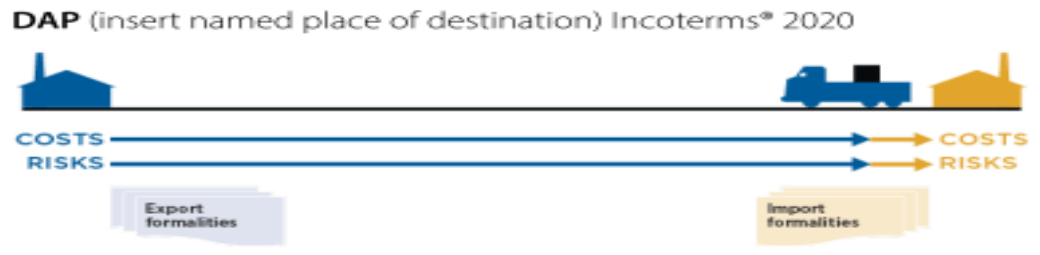
DAP (Delivered at Place) means the seller delivers the goods, and transfers risk, when the goods are placed at the disposal of the buyer. They must be on the arriving means of transport, ready for unloading, at the named place of destination.
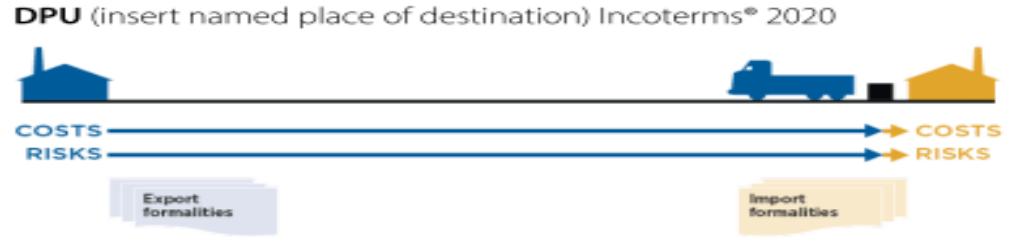
DPU (Delivered at Place Unloaded) means the seller delivers the goods, and transfers risk, once the goods are unloaded from the arriving means of transport. They are then at the disposal of the buyer at the named place of destination. DPU replaced DAT in Incoterms 2020. The new name stresses that the destination can be any place, not only a terminal.
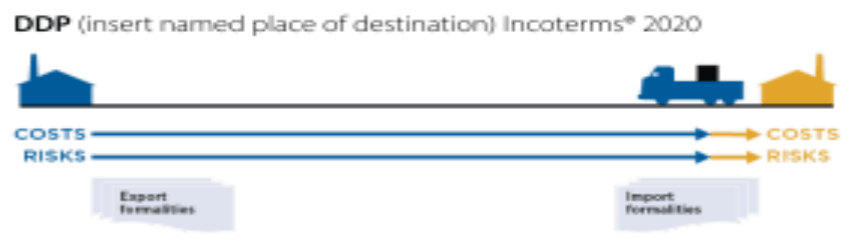
DDP (Delivered Duty Paid) means the seller delivers the goods cleared for import. They are placed at the disposal of the buyer on the arriving means of transport, ready for unloading, at the named place of destination. In DDP, delivery and arrival at destination are the same.
Where Delivery, Unloading and Import Clearance Sit in DAP, DPU and DDP Incoterms 2020
DAP, DPU and DDP Incoterms 2020 share one critical point: the seller delivers at the named place of destination. They differ on two questions.
- Who unloads? In DAP and DDP, the seller does not unload the goods. In DPU, the seller does.
- Who clears the goods for import? In DAP and DPU, the buyer does. In DDP, the seller does.
In DAP, the seller must clear the goods for export and for transit through any country before the country of destination. The seller must also give the buyer a document that lets the buyer take delivery.
The buyer must pay the costs of unloading needed to take delivery. The exception is when those costs are already for the seller’s account under the contract of carriage. In DAP, a seller who pays for unloading under its contract of carriage cannot recover that cost from the buyer, unless the parties agree otherwise.
In DPU, the seller must also bear the risks of unloading the goods at the named place. The seller is advised to make a contract of carriage that matches this choice precisely.
DDP represents the maximum obligation for the seller. The seller pays duties, taxes and all other costs of export, transit and import clearance. If the seller cannot clear the goods for import, the parties should agree on DAP instead.
Whenever the buyer may choose the time or the point of taking delivery within the agreed place, the buyer must give the seller sufficient notice.
DAP vs DPU vs DDP at a Glance
| DAP | DPU | DDP | |
|---|---|---|---|
| Transport mode | Any mode | Any mode | Any mode |
| Risk passes to buyer | On the arriving means of transport, ready for unloading, at the named place | After unloading at the named place | On the arriving means of transport, ready for unloading, at the named place |
| Unloading at destination | Buyer | Seller | Buyer |
| Export clearance | Seller | Seller | Seller |
| Import clearance, duties and taxes | Buyer | Buyer | Seller |
In short, DPU adds unloading to the seller’s duties compared with DAP. DDP adds import clearance, duties and taxes to the seller’s duties compared with DAP.
Real-World Example: Toys by Truck from Da Nang to Vientiane
Below, iSolution Logistics takes a real-world example based on shipments we have handled to illustrate how DAP, DPU and DDP work.
A toy manufacturer with a factory in Da Nang sells a truckload of toys to a buyer in Vientiane, Laos. The goods leave the factory by truck, cross the border at Lao Bao and Dansavanh and are delivered to the buyer’s warehouse in Vientiane. The manufacturer can arrange the delivery to Vientiane. It does not want to pay taxes and duties in Laos. DAP Vientiane Incoterms 2020 fits that wish.
If the contract says DAP Vientiane Incoterms 2020: the manufacturer arranges and pays the truck from Da Nang to the buyer’s warehouse. The manufacturer clears the goods for export at Lao Bao. The buyer clears them for import in Laos and pays the Lao duties and taxes. The truck arrives and the buyer unloads it.
If the contract says DPU Vientiane Incoterms 2020: the delivery is the same, but the manufacturer also unloads the truck at the warehouse. The risk passes to the buyer only after unloading. The buyer still handles Lao import clearance.
If the contract says DDP Vientiane Incoterms 2020: the manufacturer takes on the import side as well. It clears the goods for import in Laos and pays the Lao duties and taxes. The buyer receives a cleared truck at the warehouse. If the manufacturer cannot clear the goods for import in Laos, the parties should agree on DAP instead.
Where the risk moves: in DAP and DDP, the risk passes when the truck is at the warehouse, ready for unloading. In DPU, it passes after the goods are unloaded. Until then the manufacturer carries it.
Documents to Prepare
- Commercial invoice and packing list
- Transport document supplied by the seller to the buyer, so the buyer can take delivery
- Export declaration (seller)
- Import declaration (buyer under DAP and DPU, seller under DDP)
How iSolution Logistics Can Help
- Customs procedures: we support consultation throughout customs and clearance procedures for goods, which matters most when the seller clears import under DDP.
- Cross border transport: we run trucking between Vietnam and Laos, so goods can be delivered to the named place of destination.
- Tracking: we monitor the transportation process to support safety and timely delivery.
Learn more on our cross border transport, Multimodal Transport Service and Customs Brokerage & Clearance pages.
Frequently Asked Questions
What is the difference between DAP and DPU? Under DAP the seller does not unload the goods. Under DPU the seller does.
What is the difference between DAP and DDP? DAP vs DDP comes down to import clearance. Under DAP the buyer clears the goods and pays duties. Under DDP the seller does.
Who pays import duties under DDP? The seller. DDP represents the maximum obligation for the seller.
What replaced DAT in Incoterms 2020? DPU. The change shows that the place of destination can be any place, not only a terminal.
📌 ISOLUTION LOGISTICS JOINT STOCK COMPANY
🏡 20, Street 2/9, Hai Chau Ward, Da Nang City, Viet Nam.
📞 (+84) 905 221 399 / Zalo: (+84) 913 457 003 / Whatsapp: (+84) 913 457 003
📪 contact@isolutionlogistics.vn
🌏 https://isolutionlogistics.com
📌 ISOLUTION LOGISTICS LAO CO., LTD.
🏡 No. 569, Cluster 37, DongPhosy Village, Hatsaiphong District, Vientiane, Lao PDR
Want more details?
Contact us directly via WhatsApp, Zalo or WeChat for immediate assistance.
References:
Keep Reading:
- CFR and CIF Incoterms 2020: Who Pays and Who’s Responsible at Each Stage
- Vietnam Laos Border Gates for Cross Border Trucking: Lao Bao, Cau Treo, Nam Giang and Bo Y
- Transit Cargo to Cambodia via Vietnam: Documents and Border Gates
- EXW and FCA Incoterms 2020: Who Pays and Who’s Responsible at Each Stage
- CPT and CIP Incoterms 2020: Who Pays and Who’s Responsible at Each Stage
- Cross-Border Infrastructure: Vietnam, Laos & Cambodia
- Cargo Seals Explained: Temporary Seals vs Official Carrier Seals in Container Shipping
- Differences Between Transit Cargo and Cross-Border Cargo?